Not sure which type of Insulation is right for you?
Insulation plays a critical role in how comfortable, efficient, and durable a home or commercial building will be. The right insulation helps control temperature, reduce energy costs, limit moisture problems, and improve indoor air quality. Different insulation types serve different purposes, and choosing the correct material and installation method makes a measurable difference in long-term performance. Below is a practical overview of the most common insulation options and where each works best.
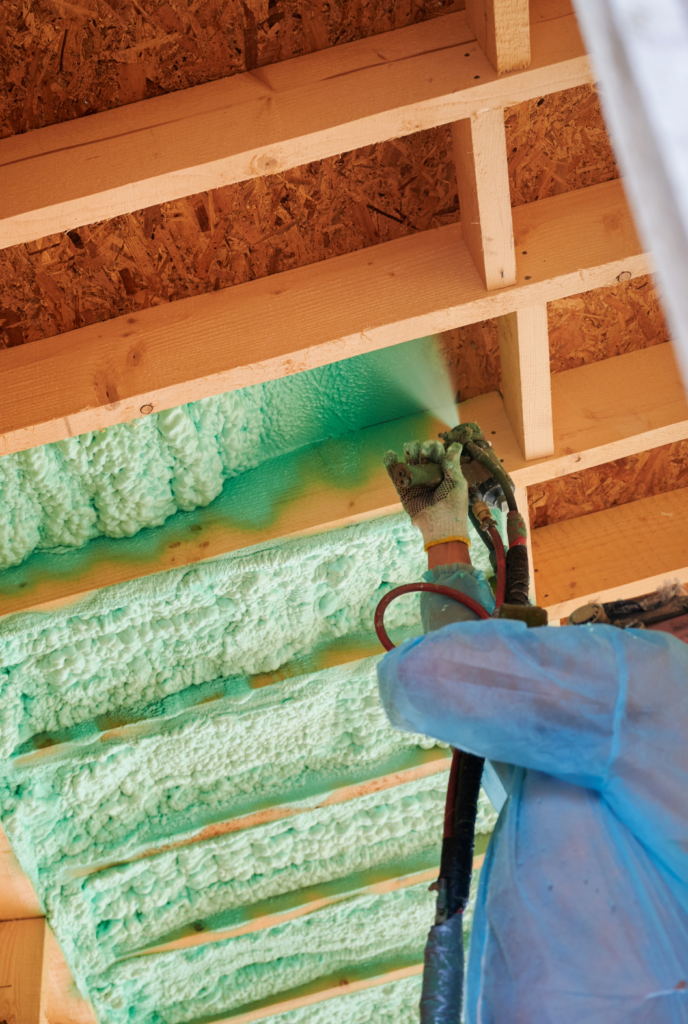
Spray Foam Insulation
Spray foam insulation is one of the most effective options available for air sealing and high thermal performance. It is applied as a liquid that expands into foam, filling cracks, gaps, and cavities to create a tight thermal and air barrier. Spray foam is ideal for attics, crawl spaces, rim joists, and wall cavities where air leakage is a concern. It offers a high R-value per inch and also helps control moisture infiltration. Because it both insulates and seals, it can significantly reduce energy loss when properly installed.
Batt Insulation
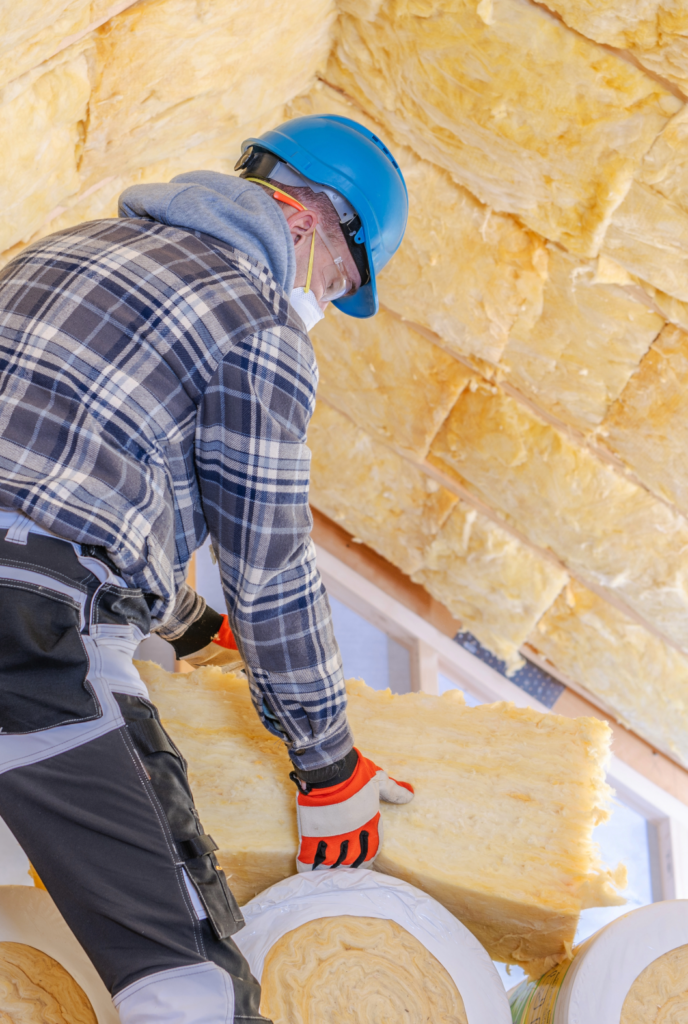
Batt insulation comes in pre-cut panels designed to fit between wall studs, floor joists, and ceiling framing. It is commonly used in new construction and remodeling projects because it is efficient and cost-effective when installed in open framing. Batt insulation performs best when carefully fitted without compression or gaps. It is a solid choice for standard wall and ceiling applications where framing spacing is consistent and easily accessible.
Blown-In Insulation
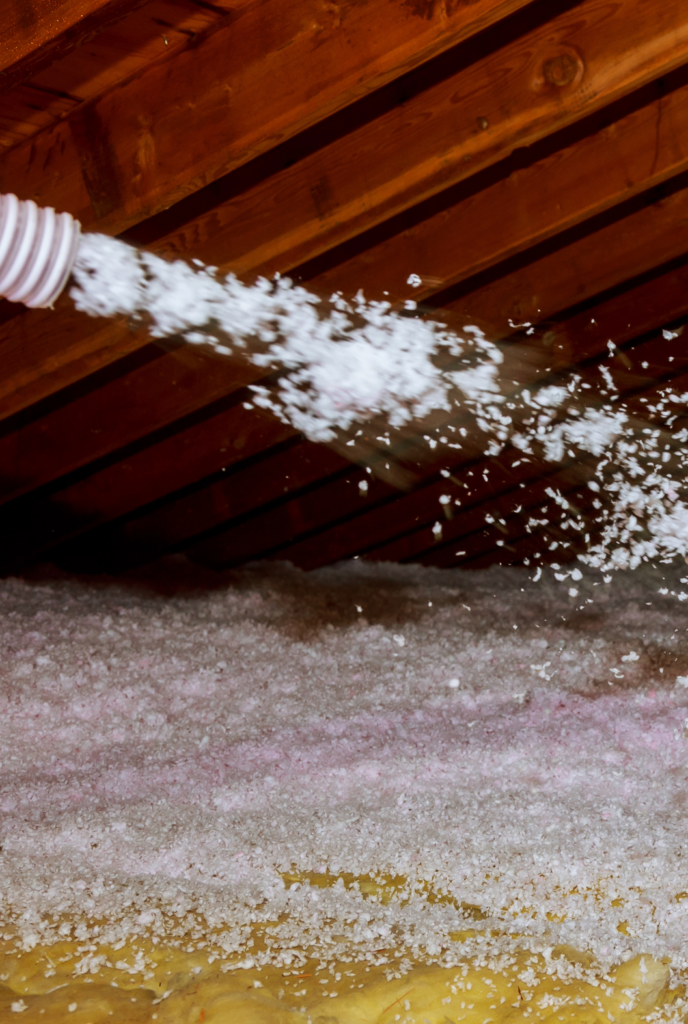
Blown-in insulation is installed using specialized equipment that distributes loose insulation material into attics and enclosed wall cavities. This method is excellent for covering large areas evenly and reaching irregular or hard-to-access spaces. It works especially well for upgrading existing insulation because it can be added with minimal disruption. Blown-in insulation helps create a continuous blanket that reduces heat loss and improves overall energy efficiency.
Fiberglass Insulation
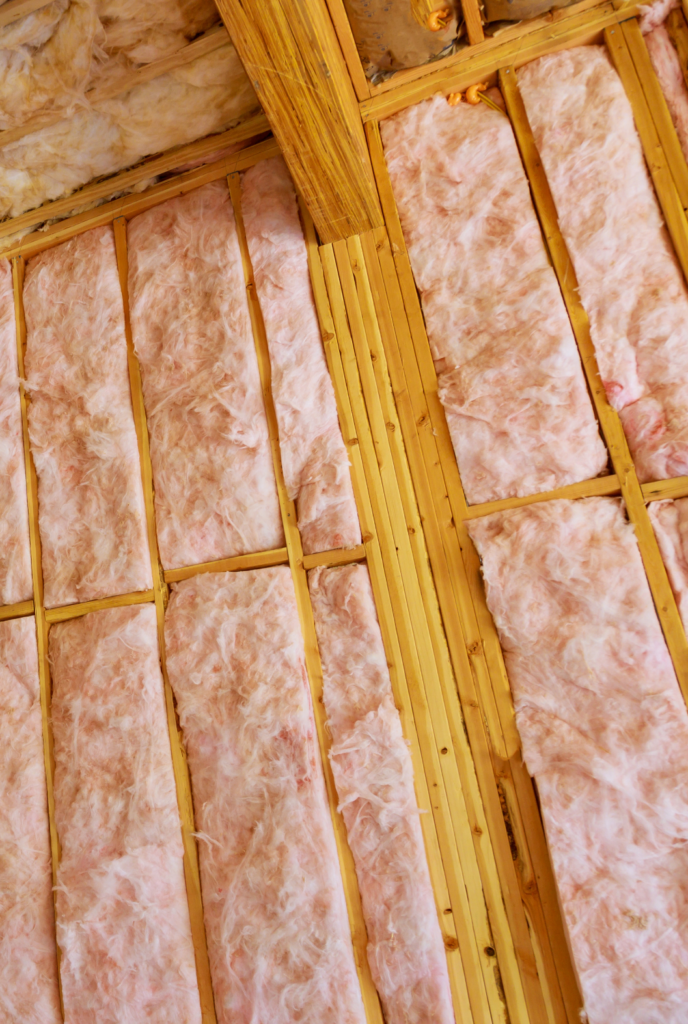
Fiberglass insulation is one of the most widely used insulation materials due to its affordability, fire resistance, and dependable performance. It is available in both batt and blown-in forms, making it versatile for many applications. Fiberglass slows heat transfer effectively and is commonly used in walls, attics, and floors. When properly installed with correct air sealing practices, fiberglass insulation provides long-lasting thermal protection.
Choosing the right insulation type depends on your building design, climate, and performance goals. A professional evaluation ensures you get the best combination of materials and installation methods for comfort, efficiency, and value.